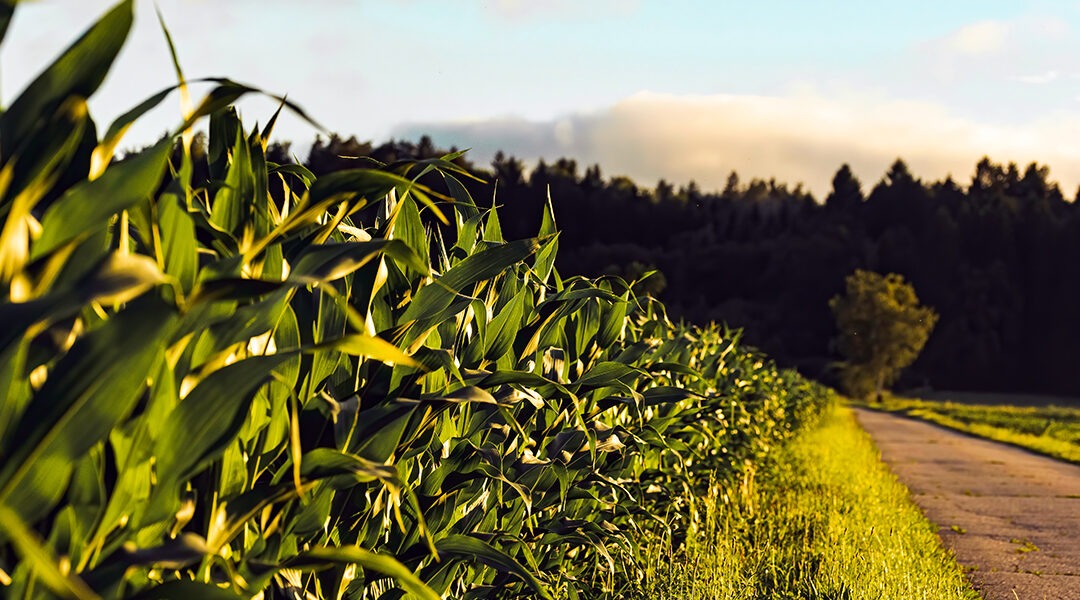
For many Indiana residents, fall means football, cooler weather, and vibrant autumn colors. It also marks one of the busiest times of year for the state's farming community. As harvest season gets underway, tractors, combines, grain carts, and other farm equipment become a common sight on rural roads throughout Indiana.
While these vehicles play a critical role in the agricultural economy, they can create unexpected hazards for motorists who are unaccustomed to sharing the road with slow-moving equipment. A moment of distraction or impatience can quickly lead to a serious accident.
Understanding the risks associated with harvest season can help drivers stay safe and avoid preventable collisions.
Why Harvest Season Increases Accident Risks
Harvest season requires farmers to move equipment frequently between fields, grain facilities, and other agricultural locations. As a result, drivers are more likely to encounter large machinery on public roads, especially throughout September, October, and November.
One of the biggest dangers is the significant speed difference between farm equipment and regular traffic. Drivers traveling 55 miles per hour may suddenly come upon a tractor or combine traveling only 15 to 25 miles per hour. That reduced reaction time can increase the risk of a serious crash.
Farm equipment also presents unique challenges because it is often wider, heavier, and less maneuverable than passenger vehicles. On narrow rural roads, motorists may have limited room to safely pass or maneuver around it.
Common Farm Equipment Accidents
Rear-End Collisions
Rear-end crashes are among the most common harvest-season accidents. These collisions often occur when drivers fail to recognize a slow-moving vehicle ahead because of distraction, limited visibility, curves, hills, or excessive speed.
Unsafe Passing Accidents
Motorists sometimes become impatient while traveling behind farm equipment and attempt to pass when it is unsafe to do so. Limited visibility, oncoming traffic, nearby intersections, and hidden driveways can make passing far more dangerous than it appears.
Wide-Turn Crashes
Large farm vehicles often need extra room to complete a turn. An operator may move slightly right before turning left, which some drivers mistakenly interpret as an opportunity to pass. This misunderstanding can lead to severe side-impact collisions.
Side-Swipe Accidents
Farm equipment may extend beyond a single lane due to oversized tires, implements, or attachments. Drivers attempting to squeeze past can strike the equipment and lose control of their vehicle.
What Does the Orange Triangle Mean?
Many farm vehicles display a bright orange triangle with a reflective red border known as a slow-moving vehicle emblem. This sign warns motorists that the vehicle is traveling at speeds well below normal traffic flow.
When you see this emblem, slow down and prepare for changing traffic conditions ahead. During harvest season, these signs are common throughout Indiana's rural communities.
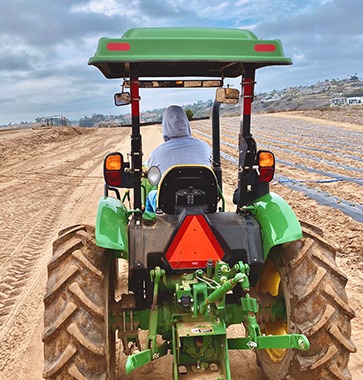
Tips for Safely Sharing the Road with Farm Equipment
Drivers can reduce their risk of an accident by following a few simple safety practices:
- Stay alert and avoid distractions, especially on rural roads.
- Watch for slow-moving vehicle signs and equipment entering the roadway.
- Leave extra following distance behind farm machinery.
- Never assume the equipment operator can see you. Large vehicles often have significant blind spots.
- Pass only when visibility is clear and passing is legal and safe.
- Avoid passing near intersections, driveways, or field entrances where equipment may turn.
Above all, patience is critical. Waiting an extra minute behind a tractor is far safer than attempting a risky passing maneuver.
Who May Be Liable After a Farm Equipment Accident?
Determining fault in a farm equipment accident is not always straightforward. Depending on the circumstances, liability may involve:
- A passenger vehicle driver
- A farm equipment operator
- A farm owner
- An agricultural business
- Another third party involved in the incident
Investigators may examine factors such as vehicle speed, visibility, road conditions, warning markers, lighting, driver distraction, and whether either party followed traffic laws.
Because multiple factors can contribute to a collision, gathering evidence as soon as possible is often important. Equipment may be repaired, road conditions can change, and witness memories may fade over time.
What Should You Do After a Farm Equipment Accident?
If you are involved in a collision with farm equipment, taking the right steps can help protect your health and your legal rights.
1.
Seek Medical Attention
Even injuries that seem minor can worsen over time. Prompt medical treatment creates a record of your injuries and helps ensure you receive appropriate care.
2.
Contact Law Enforcement
A police report can provide valuable documentation regarding the circumstances of the crash.
3.
Document the Scene
If it is safe to do so, gather photos and videos of:
- Vehicle damage
- Road conditions
- Traffic signs
- Visible injuries
- The equipment involved in the crash
4.
Speak With Witnesses
Collect names and contact information from anyone who witnessed the accident. Independent accounts can be valuable when determining what happened.
5.
Be Careful When Speaking With Insurance Companies
Before giving detailed statements or accepting a settlement offer, make sure you understand the full extent of your injuries and damages.
6.
Consult an Indiana Personal Injury Attorney
Farm equipment accidents often involve unique liability and insurance issues. An attorney can help investigate the crash, preserve evidence, and evaluate your legal options.
Stay Safe During Indiana's Harvest Season
Harvest season is an important part of life across Indiana, but it also brings unique roadway challenges. Tractors, combines, and other farm equipment operate differently than traditional vehicles, making driver awareness essential.
By staying alert, slowing down, and exercising patience around farm equipment, motorists can help reduce the risk of serious accidents throughout the fall.
If you or a loved one has been injured in a collision involving farm equipment, the attorneys at Foley & Murphy can help. Our team understands the complexities these cases can present and is committed to helping injury victims pursue the compensation they deserve.
Frequently Asked Questions
Are farm vehicles allowed on Indiana roads?
Yes. Farm equipment is generally permitted to travel on public roads when moving between fields and agricultural locations.
Who is responsible if I hit a slow-moving tractor?
Liability depends on the facts of the accident, including visibility, speed, road conditions, and the actions of everyone involved.
What should I do immediately after a farm equipment accident?
Seek medical care, contact law enforcement, gather evidence whenever possible, and consider speaking with an attorney about your legal rights.
Can I recover compensation after a tractor accident in Indiana?
If another party's negligence contributed to the accident, you may be entitled to compensation for medical expenses, lost income, pain and suffering, and other damages.
Why are farm equipment accidents often severe?
Because farm equipment is significantly larger and heavier than passenger vehicles, collisions frequently result in serious injuries and extensive vehicle damage.