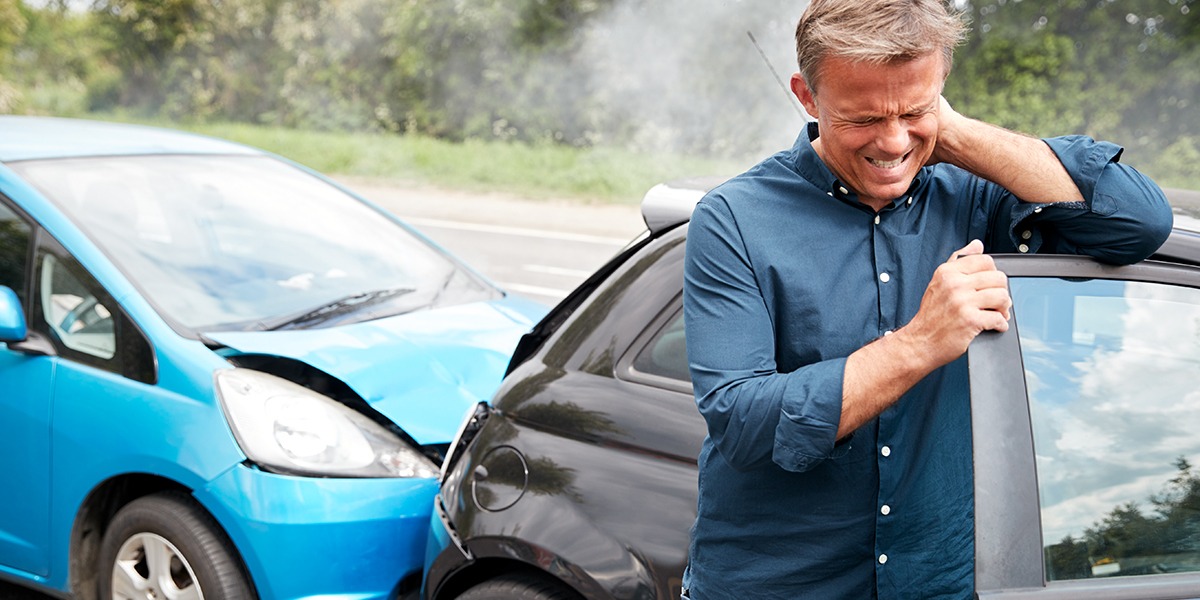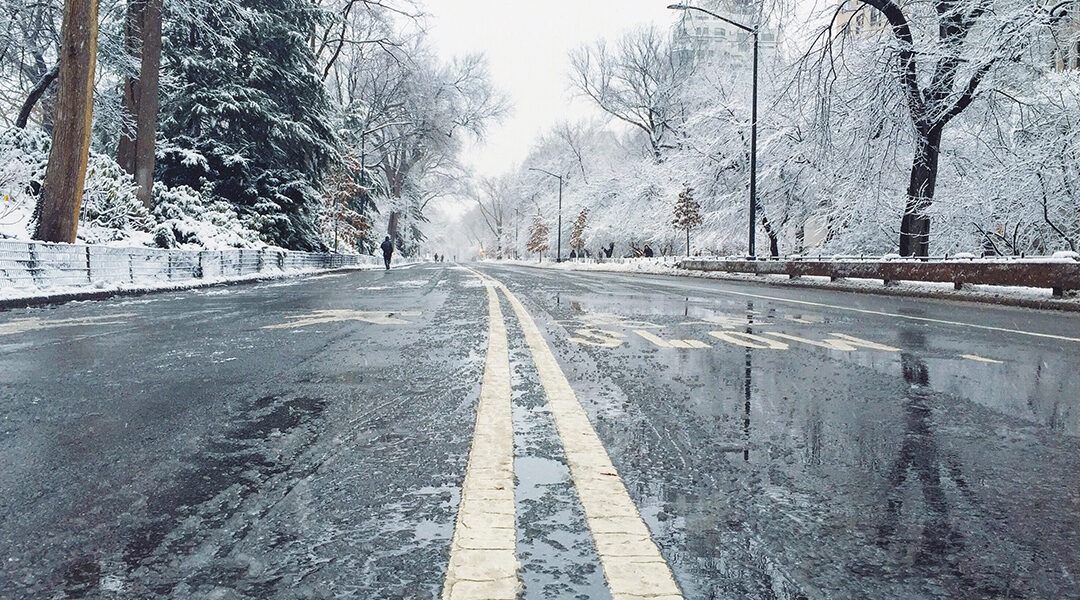
Winter weather creates many hazards, but few as dangerous as black ice. Most people associate black ice with vehicle accidents, but it can cause serious injuries in many other situations, too. For instance, an individual may suffer a painful fall walking through a parking lot or entering a business.
Regardless of how a black ice accident occurs, the aftermath is important. Taking the right steps can help protect your health, support your recovery, and preserve your legal options. Understanding what to do can help protect your interests and preserve important evidence.
Key Points:
- What is Black Ice: Black ice is a thin, invisible layer of ice that forms on roads, sidewalks, and other surfaces, making it hard to spot and increasing the risk of slips and crashes.
- Why Black Ice Is Dangerous: Because it is often invisible, people and drivers have little warning before traction is lost, making black ice one of the most dangerous winter hazards.
- Steps After a Car Accident on Icy Roads: Your first priority is safety; check for injuries, call for help if needed, and seek medical care since some injuries may not be immediately apparent.
- Steps After a Slip-and-Fall on Ice: Seek medical attention promptly, report the incident to the property owner if on private or commercial property, and take photos and gather evidence before conditions change.
- Determining Responsibility and When to Contact an Attorney: Responsibility depends on the circumstances, including maintenance and actions of drivers or property owners, and you should consider consulting an attorney if injuries are serious, liability is unclear, or there are insurance disputes.
What Is Black Ice?
Black ice is a thin layer of ice that forms when moisture freezes on a road, sidewalk, or other surface. Its transparent appearance makes it difficult to spot, increasing the risk of slips, falls, and vehicle accidents.
Black ice can develop in a variety of locations, including:
- Roads and highways
- Bridges and overpasses
- Sidewalks
- Parking lots
- Driveways
- Building entrances and walkways
Because it is invisible, black ice creates dangerous conditions for both drivers and pedestrians.
Why Black Ice Is So Dangerous
The biggest danger of black ice is that most people do not realize it is there until they lose traction. A driver may be traveling cautiously when their vehicle suddenly begins to slide. A pedestrian may take a normal step and instantly lose their footing.
Unlike hazards that can be seen and avoided, black ice often gives little or no warning. Even people who are acting responsibly can be caught off guard because the surface appears safe. This invisibility makes black ice one of the most dangerous winter weather hazards.
What Drivers Should Do After an Accident on Icy Roads
If you have been involved in a vehicle accident caused by black ice, your first priority should be safety. Taking the right steps afterward can also help document the incident and protect your legal rights.
Call for Help and Seek Medical Care
Your first priority should always be safety. Check yourself and others involved in the accident for injuries. If anyone needs immediate medical attention, contact emergency services right away.
Even if your injuries seem minor, it is often wise to seek a medical evaluation. Some injuries, including whiplash, concussions, and soft tissue damage, may not produce symptoms immediately.
Document the Accident Scene
Weather conditions can change quickly, especially during the winter. If it is safe to do so, gather as much information as possible before the scene changes. Consider taking photos of:
- Vehicle damage
- Road conditions
- Visible / invisible ice
- Weather conditions
- Traffic signs and signals
Detailed documentation can help establish what conditions existed at the time of the crash.
Exchange Information
Collect contact and insurance information from other drivers involved in the collision. If witnesses observed the accident, ask for their contact information as well. You should also obtain information regarding any responding law enforcement officers.
Notify Your Insurance Company
Most insurance policies require prompt reporting of accidents. Providing accurate information early in the process can help prevent unnecessary complications during your claim.
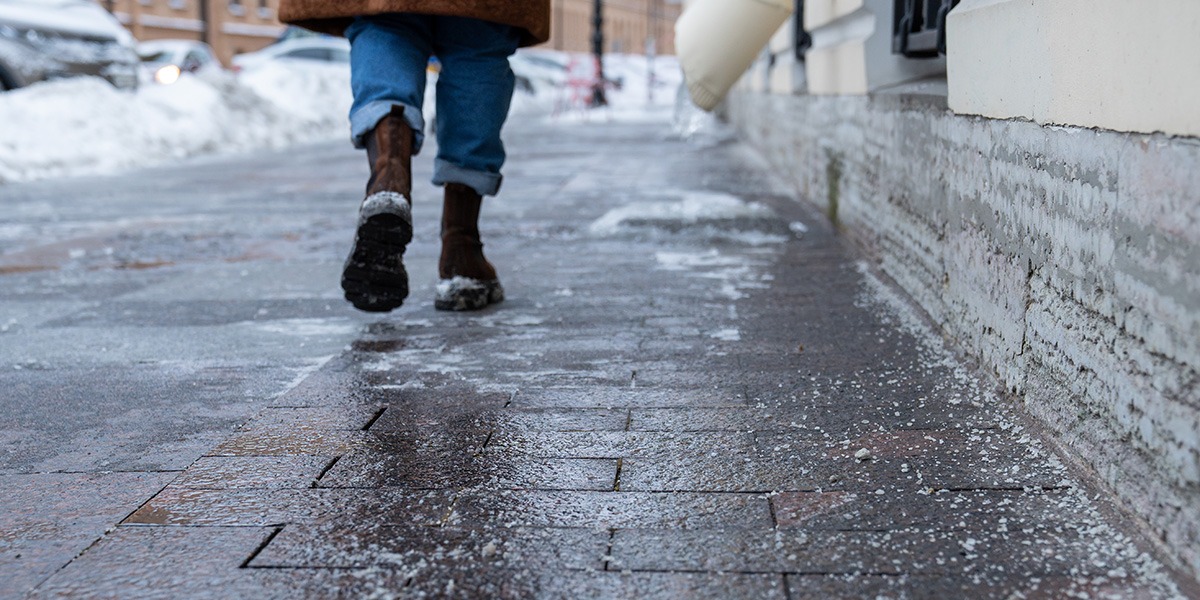
Steps to Take After a Slip-and-Fall on Ice
Not every black ice injury happens on the road. Sidewalks, parking lots, and entryways can become dangerous when ice forms and goes unnoticed. A fall on black ice can result in serious injuries that require significant medical care and recovery time.
Seek Medical Attention Immediately
After a fall, some injuries may not be obvious right away. Head injuries, fractures, back injuries, and other conditions can become more noticeable in the hours or days following an accident. Receiving prompt medical care can help identify injuries before they become more serious.
Report the Incident
If the fall occurred on commercial or private property, notify the property owner, manager, or business as soon as possible. If an incident report is available, request a copy for your records.
Take Photos Before Conditions Change
Snow and ice can be removed quickly after an accident occurs. If possible, photograph:
- Ice accumulation
- Sidewalk conditions
- Parking lot conditions
- Missing warning signs
- Lighting conditions
These photos may help document the conditions that existed when the injury occurred.
Gather Witness Information
Witnesses can often provide valuable information about what happened. This may include employees, customers, or people who happened to be nearby when the fall occurred.
Who May Be Responsible for a Black Ice Injury?
Determining responsibility after a black ice accident is not always straightforward. Every situation must be evaluated based on its specific facts and circumstances.
In some vehicle accidents, a driver may be found responsible if they failed to adjust their speed or driving behavior for winter conditions. In other cases, investigators may look at factors such as roadway maintenance, untreated icy conditions, or the actions of other drivers involved in the crash. Determining responsibility often requires a careful review of the circumstances surrounding the accident.
For slip-and-fall accidents, property owners may have responsibilities related to maintaining sidewalks, parking lots, and walkways. Whether those responsibilities were met often depends on the details of the individual case.
The presence of ice alone does not automatically determine who is responsible. Establishing fault typically requires a careful review of the available evidence.
Common Injuries Caused by Black Ice Accidents
Whether a person is injured in a vehicle collision or a fall, black ice accidents can lead to serious physical harm. Common injuries include:
- Broken bones
- Traumatic brain injuries
- Concussions
- Back injuries
- Neck injuries
- Shoulder injuries
- Hip injuries
- Soft tissue damage
Some injuries may heal within weeks, while others can require months of treatment, rehabilitation, or ongoing medical care.
Challenges Victims Commonly Face After a Black Ice Injury
The effects of a serious injury often extend well beyond the initial accident. Many victims face challenges such as:
- Medical expenses
- Lost income from missed work
- Ongoing treatment and rehabilitation
- Insurance claim disputes
- Uncertainty about their legal options
For some individuals, these difficulties can continue long after the winter season ends. The financial and personal impact of an injury may affect both the victim and their family.
When Should You Contact a Personal Injury Attorney?
There is no single situation that requires legal representation. However, it may be beneficial to speak with an attorney if:
- You suffered serious injuries
- Liability is unclear
- An insurance company disputes your claim
- You require long-term medical treatment
- The accident resulted in significant financial losses
An attorney can help evaluate the circumstances of your case, explain your options, and answer questions about the legal process.
Foley & Murphy has represented individuals injured in motor vehicle accidents and other personal injury matters throughout Northern Indiana for more than 30 years. The firm's team works with injured individuals to help them better understand their situations and available legal options.
Whether You Were Driving or Walking, What You Do Next Matters
Black ice can cause injuries behind the wheel, on a sidewalk, in a parking lot, or at the entrance to a business. While the circumstances may differ, the priorities are often the same: seek medical treatment, document what happened, and preserve evidence whenever possible.
Taking prompt action after an accident can help protect your health and strengthen your ability to understand your legal options. Whether your injury resulted from a vehicle collision or a slip-and-fall accident, knowing what to do next can make an important difference in your recovery.
Injured in a Black Ice Accident?
If you were hurt in a vehicle crash or slip-and-fall accident caused by icy conditions, Foley & Murphy may be able to help you understand your options. Contact the firm to discuss your situation with an experienced personal injury attorney and learn more about the next steps available to you.